Best Terra Cotta Patio Pavers for Easy Outdoor Makeovers
Looking to upgrade a patio, deck, or garden path with terra cotta tones? This guide highlights five durable, easy-to-install options that suit different outdoor settings. Each product is chosen for stability, water handling, and aesthetic appeal in terra cotta hues. Ideal buyers include DIY homeowners, small-business landscapers, and renters seeking temporary or semi-permanent installations. The table below offers a quick snapshot of the featured pavers to help you compare at a glance.
| Product | Best For | Material | Installation Style | |
|---|---|---|---|---|
| RevTime 20 pcs Hexagon Rubber Pavers | Small to medium patios, garden paths | Rubber | Interlocking, DIY friendly | Flexible coverage, scalable |
| Deck Tiles 6-Pack (Pure Garden) | Hard patios, balconies, pool surrounds | Polypropylene | Interlocking, tool-free | 5.5 sq ft |
| Pure Garden 50-LG1190 Patio Tiles | Open-air decks, sun-exposed areas | Composite plastic/wood | Snap-together | 6 tiles ≈ 9 sq ft |
| Acacia Wood Interlocking Deck Tiles | Raised decks, patios with eye-catching grain | Acacia wood | Snap-together, no tools | 9 sq ft per set |
| Playsafer Rubber Pavers | Wet, high-traffic walkways | Rubber | Interlocking, modular | 20 tiles ≈ 6 sq ft |
RevTime 20 Pcs Hexagon Rubber Pavers

Best for flexible layouts and soft underfoot comfort, these hexagon pavers are made from wear-resistant rubber with strong elasticity. The breathable, water-permeable design helps prevent puddling and supports outdoor use in rain. They’re ideal for DIYers who want to expand coverage across patios, decks, or garden edges. A key caveat is that rubber tiles can feel warmer in direct sun and may show wear sooner under heavy equipment. Use these where you want a soft, slip-resistant surface that’s relatively quick to install and rearrange.
Pure Garden Deck Tiles 6-Pack

Best for quick patio upgrades and balcony flooring, these interlocking polypropylene tiles feature airflow and drainage. They resist sun fade and water exposure, making them suitable for outdoor spaces that receive sun most of the day. They snap together without tools, which helps homeowners with limited DIY time. A limitation is that polypropylene can feel less warm underfoot than wood or rubber tiles, and edge finishing may require careful leveling for a smooth look.
Pure Garden Criss-Cross Patio Tiles

Best for eco-conscious projects, these six-tile sets use a composite plastic and wood design that avoids staining or sealing. The open design promotes airflow and drainage, reducing water pooling after rain. They perform well in open, sunlit patios but can be prone to fading in intense sun over long periods. Choose these when you want durable, low-maintenance tiles with a natural wood look.
Acacia Wood Interlocking Deck Tiles

Best for premium aesthetics and natural warmth, these acacia wood tiles offer a rich, weather-ready finish with raised base channels for water drainage. They ship in standard square sets and cover a significant area per package. These are ideal for flat, stable surfaces and for buyers who prioritize wood texture and color depth. A notable limitation is the need for flat, solid subsurfaces and occasional maintenance to preserve wood tone over time.
Playsafer Rubber Pavers ¾” Thick
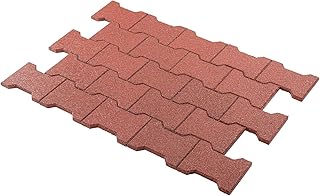
Best for high-traffic outdoor paths and wet areas, these ¾-inch-thick rubber pavers are designed to be weather resistant and water permeable. They interlock for easy expansion and offer underfoot comfort with non-slip properties. The main caveat is that rubber tiles can be heavier to move during initial installation, and color consistency may vary between batches.
Buying Guide: Terra Cotta Patio Pavers
- Material durability: Rubber options provide soft underfoot comfort and grip, while wood and composite tiles offer natural aesthetics and longer life on stable surfaces. Evaluate foot traffic, weather exposure, and maintenance needs.
- Installation method: Interlocking, snap-together designs save time and tools. Consider whether you prefer tool-free setup or a more permanent fixed installation.
- Drainage and breathability: Open designs and permeable materials help reduce puddling and prolong tile life in rain-prone areas.
- Aesthetic match: Terra cotta tones pair well with warm neutrals and potted plant palettes. Consider whether you want a uniform color, mixed tones, or a wood-like grain for visual depth.
- Subsurface compatibility: Some tiles require flat, stable subsurfaces; others can tolerate minor irregularities. Prepare the base to avoid trip hazards and movement over time.
- Maintenance and care: Wood tiles may need occasional conditioning to maintain color, while rubber and plastic options typically require simple cleaning and occasional re-seating.
Frequently Asked Questions
- Q: Which terra cotta paver is best for a wet patio? A: Rubber pavers generally offer better slip resistance and grip in wet conditions, making them suitable for rain-prone areas.
- Q: Are interlocking tiles easy to install for beginners? A: Yes. Many interlocking designs require no tools and can be arranged in hours, depending on area size.
- Q: Will terra cotta tones fade in direct sun? A: Some materials may fade over time with sun exposure. Look for UV-resistant materials and colorfast finishes.
- Q: Can I mix tile materials on the same deck? A: Yes, but consider weight, height differences, and drainage to avoid creating trip hazards or drainage issues.
- Q: How much area can each product cover? A: Coverage varies by tile size and pack quantity; plan based on the total surface area and allow for cuts or edge adjustments.
- Q: Do these pavers require sealing? A: Wood tiles often require sealing, while rubber and plastic options usually do not, though some maintenance may still be beneficial.