Best Lawn M Mower Seat Glue Solutions for Quick, Durable Repairs
When a lawn mower seat loosens or tears, a strong, weather-resistant adhesive can save time and extend the mower’s life. This guide highlights top glues for lawn mower seat repairs and related outdoor uses, focusing on durability, indoor/outdoor performance, and ease of application. The best options vary by material: plastic, wood, foam, and metal components all respond differently to adhesives. The following picks are practical for DIY repairs, whether you need a quick fix or a long-lasting bond. See the quick compatibility table below for a snapshot of each product.
| Product | Best For | Key Benefit |
|---|---|---|
| Loctite PL Premium | Wood, metal, and common lawn equipment frames | 3X stronger than ordinary construction adhesives |
| Gorilla Heavy Duty Construction Adhesive | General outdoor repairs and weatherproof bonds | Waterproof and fast grab |
| S-18 All-Purpose Adhesive | Porous and non-porous surfaces | Water-resistant; versatile on multiple materials |
| EOEBDD Rubber Cement | Tire and rubber components | Heavy-duty rubber bond with quick set |
| Threlaco Turf Glue (10 oz) | Artificial grass and synthetic surfaces | Strong adhesion with wet-surface tolerance |
Loctite PL Premium Polyurethane Construction Adhesive
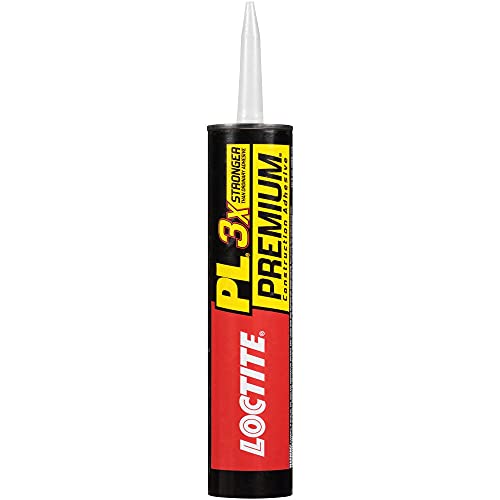
Best for: Durable bonds on wood, concrete, and metal components of mower frames or seat mounts. This polyurethane adhesive offers high strength and versatility across common outdoor materials. It bonds to wood, OSB, drywall, brick, concrete, stone, and more, making it a strong choice for fixing worn seat bases or mounts that require an anchor beyond screws alone. It cures to form a robust, weather-resistant hold, helping to prevent future loosening from vibration and temperature changes. A potential limitation is longer cure time compared with fast-acting glues, so plan repairs accordingly.
Gorilla Heavy Duty Construction Adhesive

Best for: Quick, weatherproof bonds on outdoor equipment, including seat bases and decorative trim that needs a tough grab. This white, waterproof glue provides a fast initial hold (about 30 seconds) and remains useful on diverse surfaces. It is especially helpful when seating components must remain water-resistant and structurally secure. A caution: surface preparation matters—clean, dry, and dust-free areas improve adhesion dramatically.
S-18 All-Purpose Adhesive

Best for: Surfaces that require flexibility and reliability across porous and non-porous materials. S-18 offers water resistance and strong film formation, making it a solid choice for seat cushions, foam-to-metal bonding, or plastic-to-rail assemblies. It’s especially beneficial when the repair involves multiple substrate types. A limitation is that cure times can vary with humidity, so allow adequate setting time for best results.
EOEBDD Rubber Cement
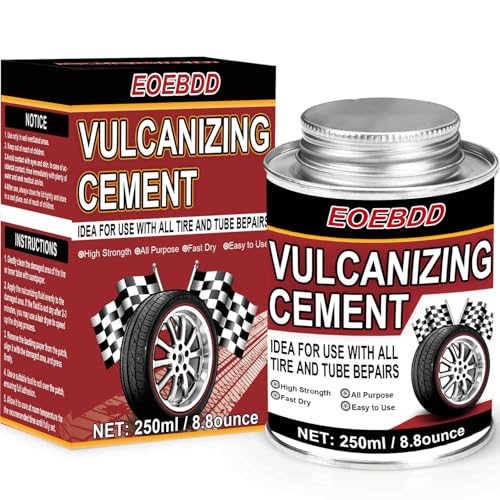
Best for: Rubber-based components such as seat covers, gaskets, or weatherproof seals on mower seats. This cement chemically bonds rubber, providing a strong seal against moisture. It cures quickly, which is advantageous for quick field repairs. A limitation: rubber cement may be less effective on rigid plastics or metal parts without proper surface preparation or primer.
Threlaco Turf Glue (10 oz) for Artificial Grass

Best for: Synthetic surface repairs where a flexible, weather-tolerant bond is needed. While designed for artificial grass installations, turf glue can be a practical option for bonding certain seat materials that resemble foam-backed plastics to underlying frames. Choose this if you need a robust, long-lasting bond in grit-free outdoor environments. A caution: longevity on heavy-use mower seats depends on substrate compatibility and proper surface preparation.
Buying Guide: How To Choose The Right Lawn Mower Seat Glue
What should you consider before buying adhesive for lawn mower seats? Start with substrate compatibility. Plastic, metal, wood, and foam each respond differently to adhesives. Surface preparation is critical—clean, dry, and free of oils improves adhesion and reduces joint failure. Consider exposure: outdoor use means moisture, temperature shifts, and vibration; select a product rated for weather resistance and outdoor durability.
Durability And Cure Time
Fast-setting glues are convenient for quick field repairs, but longer cure times often yield stronger, long-lasting bonds. For mower seats, a balance between initial hold and final strength matters. Polyurethane construction adhesives like Loctite PL Premium offer high strength and weather resistance, while products like Gorilla Heavy Duty provide rapid grip with waterproof performance.
Surface Versatility
If you’re working with mixed materials (plastic shell, foam padding, metal frame), a versatile all-purpose adhesive such as S-18 or a rubber-focused cement like EOEBDD can cover multiple bonding needs. When bonding rubber-to-metal or foam-to-plastic, ensure the product supports the exact substrate pair to avoid weak joints.
Water Exposure And Temperature
Outdoor gear endures rain, dew, and sun. Look for adhesives labeled water-resistant or waterproof. Temperature tolerance matters as well; some glues perform poorly in cold starts or high heat. For mower seats exposed to the elements, prioritize water resistance and thermal stability in the product data.
Application And Clean-Up
Consider ease of application: squeeze tubes, simple nozzles, or brush tips can speed repairs. Some products include attached brushes or are easy to apply with a standard caulk gun. Clean-up considerations matter for maintaining other mower components and avoiding residue on moving parts.
Safety And Handling
Always follow packaging instructions for ventilation, skin contact, and curing times. Use gloves and work in a ventilated area when handling polyurethane or solvent-based adhesives. Store away from children and pets, and ensure cured joints have fully set before testing the mower’s operation.
Frequently Asked Questions
- Can I glue a mower seat with everyday wood glue? Wood glue is not ideal for outdoor seating that experiences moisture and temperature changes. Use weather-resistant construction adhesives or all-purpose glues designed for outdoor use and mixed substrates.
- Is a fast-drying adhesive suitable for seat repairs? Yes, fast-drying formulas help with quick field fixes, but ensure the bond remains strong after full curing. Check cure time and final strength ratings for outdoor substrates.
- Will these adhesives bond plastic to metal? Many all-purpose and construction adhesives claim multi-substrate bonding, including plastic-to-metal, but performance varies by plastic type. Test on a small area first if possible.
- Do I need primer before applying adhesive on a mower seat? Primers can improve adhesion, especially on difficult plastics or smooth metal surfaces. Follow manufacturer instructions for the best results.
- How long should I wait before using the mower after repairing the seat? Allow the recommended cure time on the product label. Do not stress the joint until the adhesive has fully cured to avoid bond failure.
- Are water-resistant glues suitable for all-weather lawn use? Water resistance helps in outdoor environments, but ensure the glue is rated for the specific materials and conditions involved in your seat repair.
These options provide a spectrum of adhesives to fit different lawn mower seat repair scenarios. Select a product based on substrate compatibility, outdoor durability, and your curing time requirements. For field repairs, keep a small selection on hand to match the material pairing you encounter.